How TVS Is Turning Motorcycling into Experiential Tourism at Rann Utsav 2026



The curtains may have closed on the 2026 edition of Rann Utsav (February 12–15), but one thing became clear during the festival’s second year of collaboration with TVS Motor Company: this was more than a brand activation — it was an experiment in building tourism through motorcycling culture.
As India’s tourism landscape evolves beyond traditional sightseeing, TVS appears to be positioning motorcycles not merely as products, but as vehicles of experience, community, and destination storytelling.

From Product Showcase to Destination Experience
Returning to the white salt desert of the Rann of Kutch for a second consecutive year, TVS expanded its footprint at the festival with community rides, motorsport demonstrations, and custom-built machines inspired by the landscape itself.
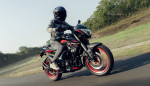
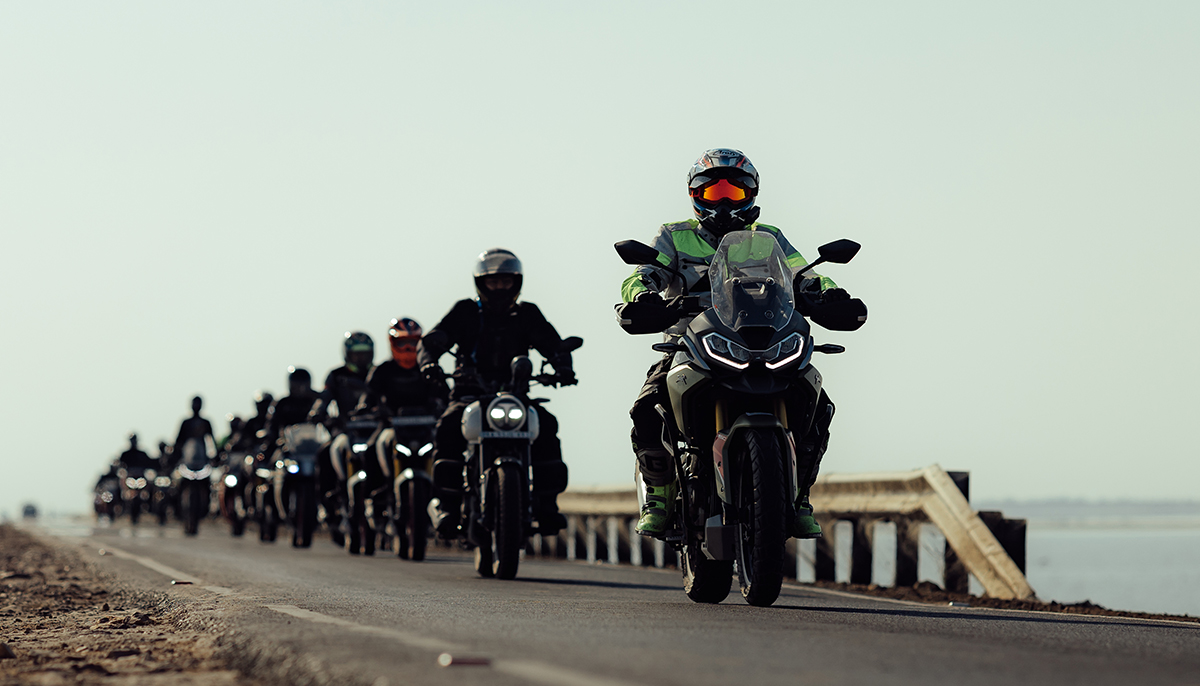
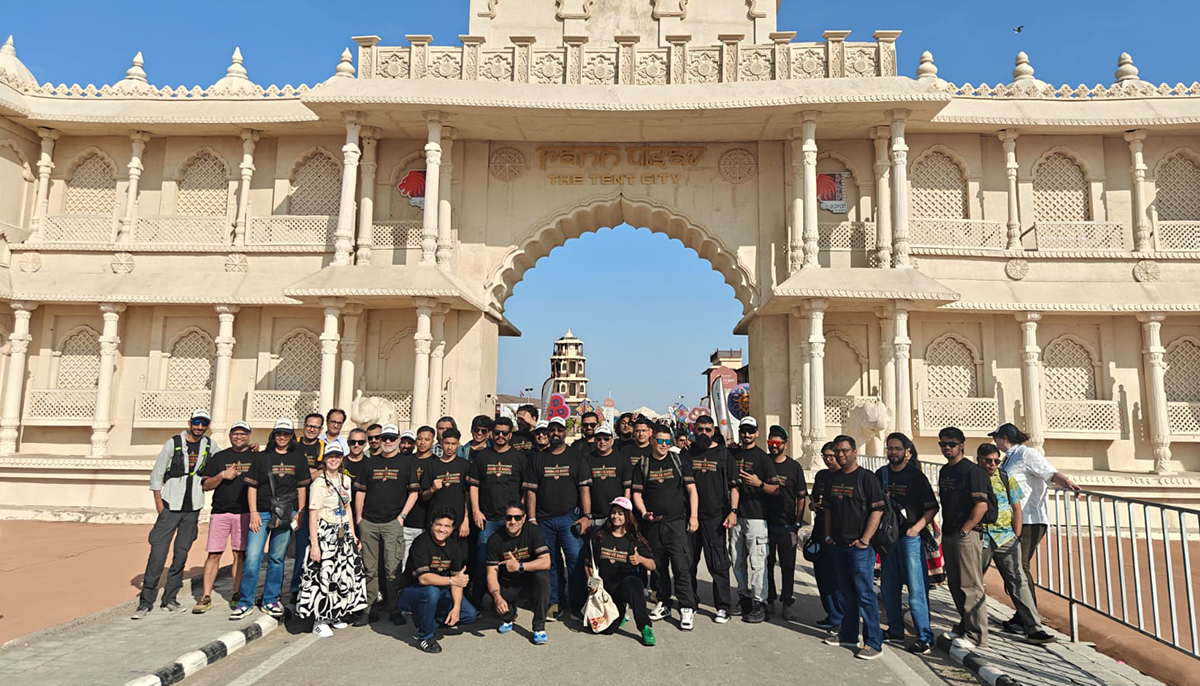
More than 100 riders — including international participants from countries like Italy, Mexico and Nepal — joined the first-ever West Chapter ride by the TVS Apache Owners Group and the TVS Ronin CuLT community.

The long-distance journey from cities such as Mumbai, Pune, Jaipur, and Ahmedabad turned the ride into an integral part of the destination experience rather than just transportation.
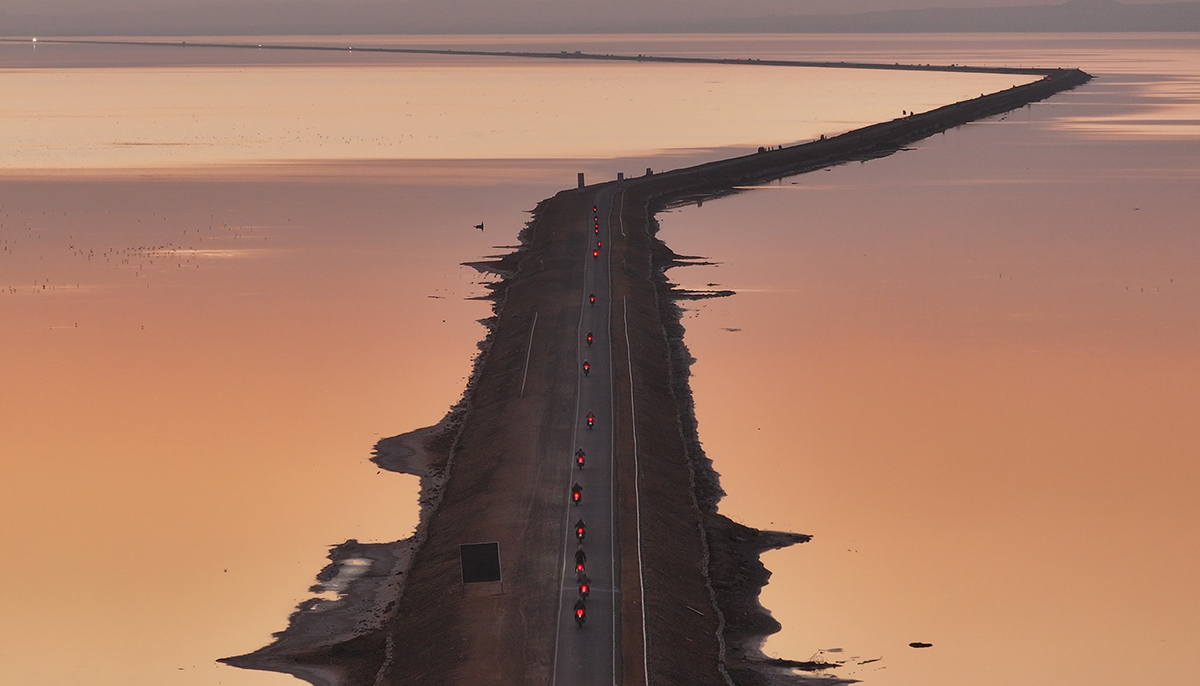
The company’s approach mirrors a growing global trend where automotive brands create experiences that link product identity with lifestyle and travel. In this case, the vast desert roads, rural routes, and iconic “Road to Heaven” provided a natural backdrop for a two-wheeled tourism narrative.
Motorsport Energy Meets Cultural Landscape
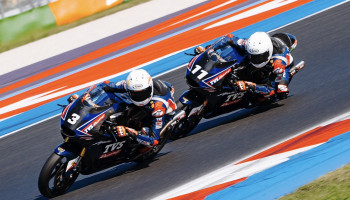
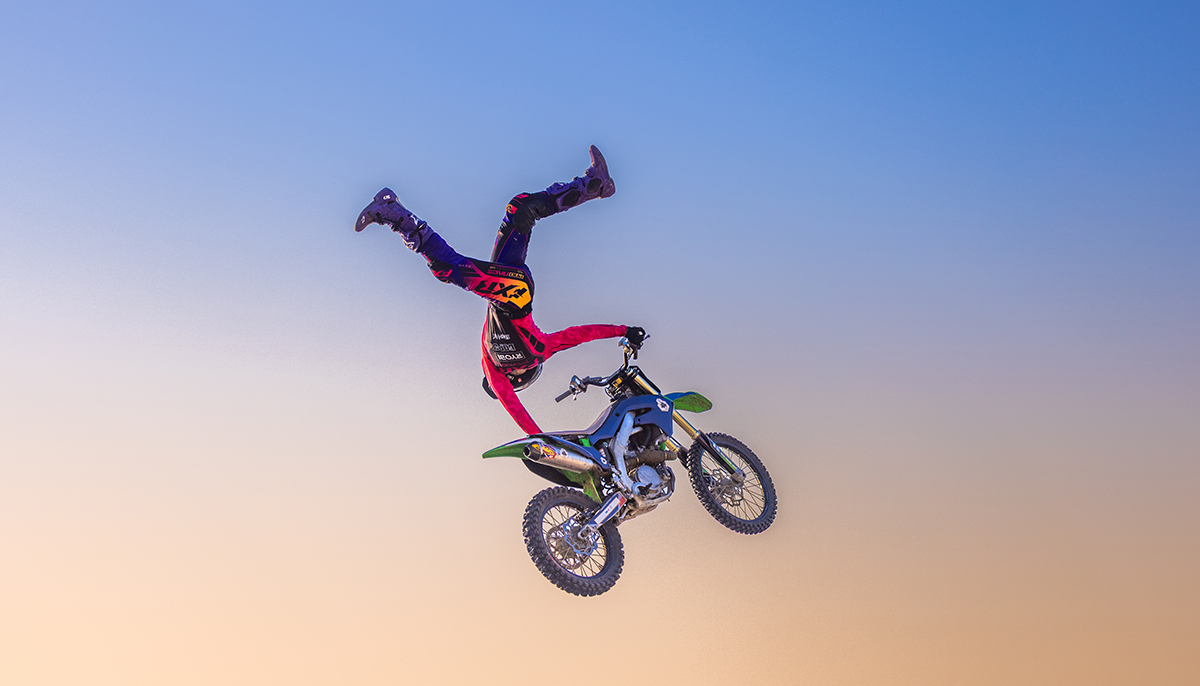
At the heart of the event was the TVS Premium Arena, where performance and culture intersected. The zone featured stunt showcases, flat-track experiences, adventure training sessions, freestyle motocross demonstrations, and even a women’s Drift-R championship — signaling a deliberate attempt to broaden participation and community inclusivity.
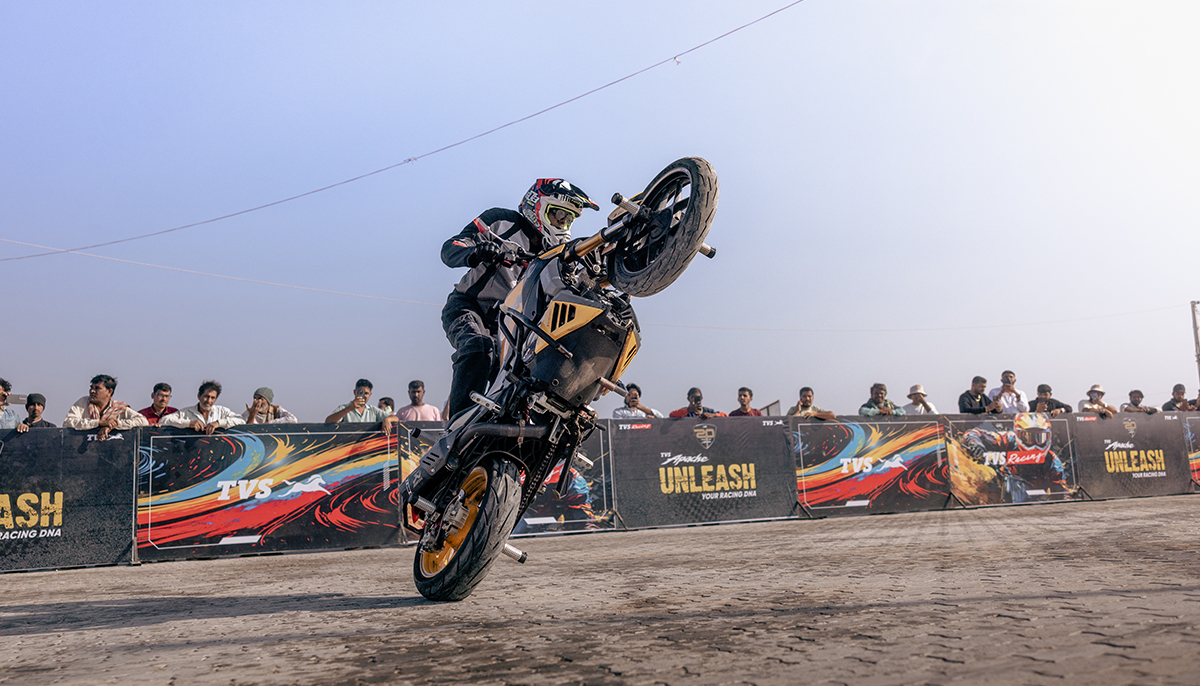
Rather than limiting engagement to spectatorship, the focus leaned heavily on rider involvement and experiential learning, reinforcing the idea that destinations can be explored actively rather than passively.
This strategy aligns with the brand’s broader effort to build communities around its motorcycles, particularly the TVS Apache and Ronin lines, blending performance heritage with lifestyle appeal.
Custom Motorcycles as Cultural Storytelling
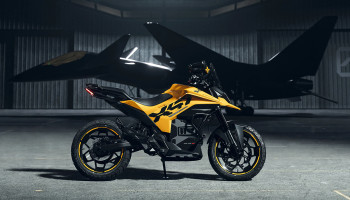
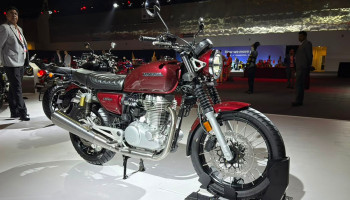
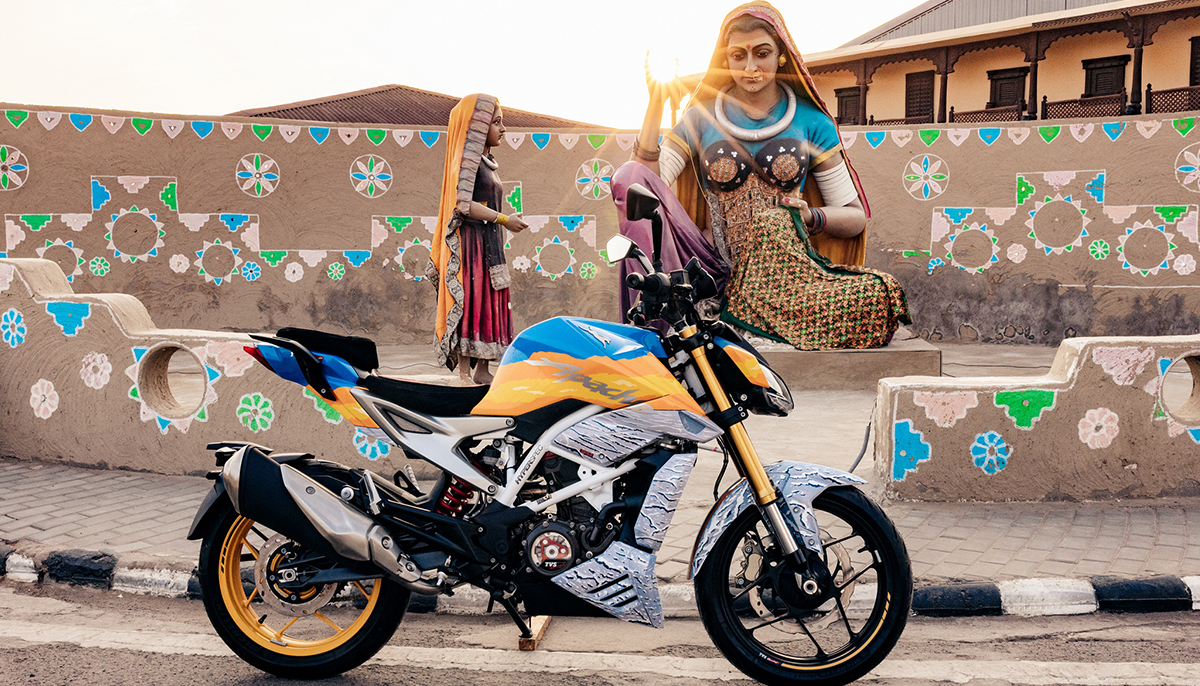
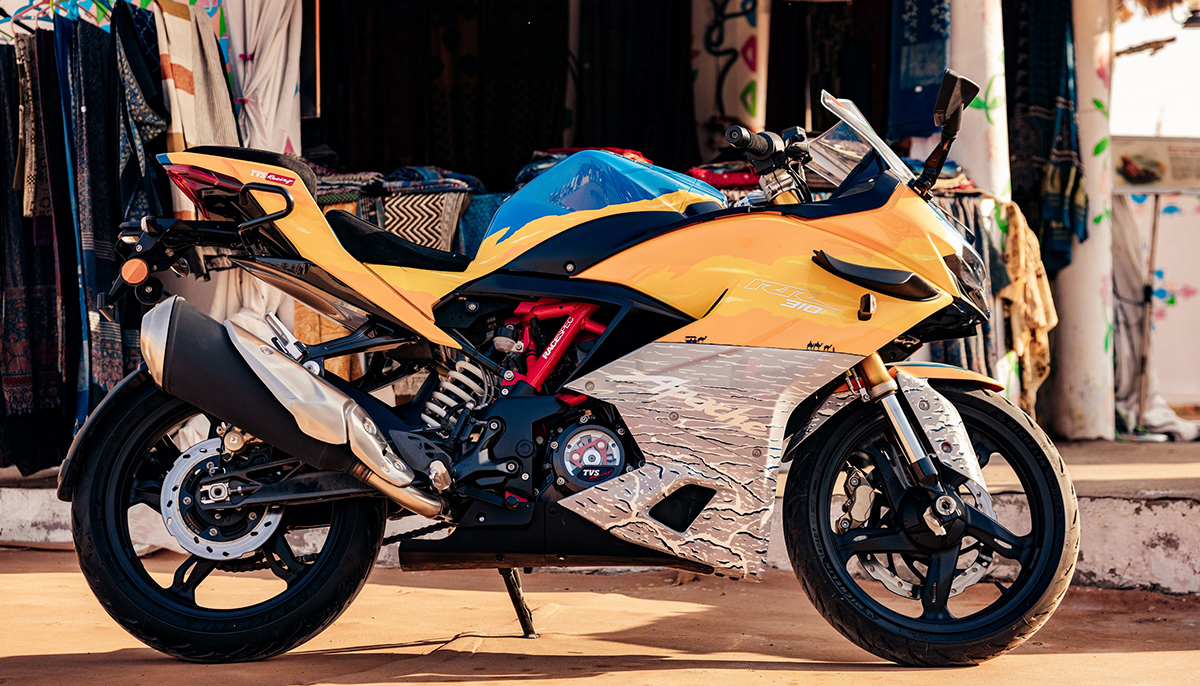
Perhaps the strongest statement from this year’s collaboration came through the TVS Rann Utsav Custom Series — five bespoke motorcycles designed as interpretations of the desert’s environment and culture.
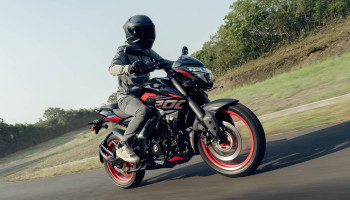
Developed with custom builders Eimor Customs, the collection transformed motorcycles such as the TVS Ronin, Apache RTR 200, Apache RTR 310, and Apache RR 310 into rolling artworks inspired by the salt plains, desert skies, and local craftsmanship traditions.
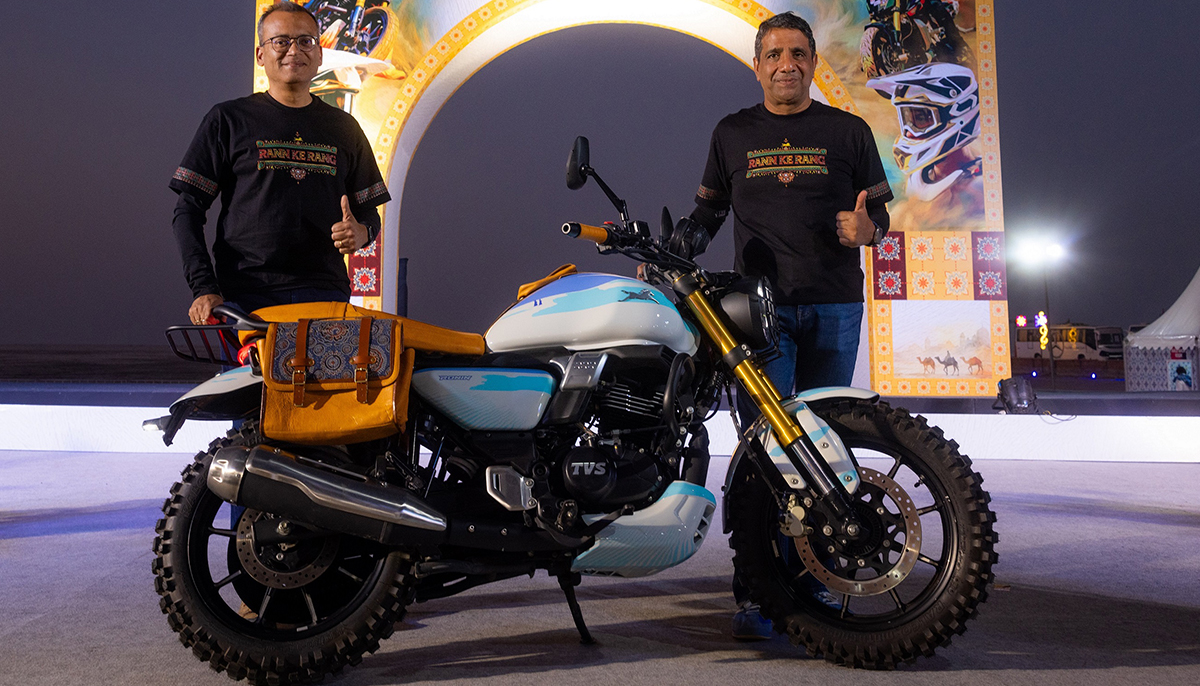
Hand-painted finishes, laser-cut detailing, and regionally influenced design elements — including Ajrak-inspired leatherwork — pushed the boundaries between engineering and visual storytelling.
Instead of focusing solely on technical specifications, the project reflected how customization can communicate place and identity — an increasingly important element in experiential marketing.
Why This Matters Beyond the Festival
The significance of TVS’s presence at Rann Utsav goes beyond a single event cycle. By returning for a second year and scaling participation, the company appears to be experimenting with a long-term ecosystem that links motorcycling, community culture, and regional tourism.
This model has potential implications beyond Gujarat. If successful, it could influence how manufacturers engage with destinations across India — transforming festivals and landscapes into recurring ride-led experiences that benefit local tourism while strengthening brand loyalty.
In an era where consumers increasingly seek meaningful experiences over ownership alone, the strategy positions motorcycles as enablers of exploration rather than just machines.
The Road Ahead
With hashtags like #ExploreTheUnexploredRann framing the initiative, TVS is clearly betting on experiential narratives as a future growth path. The question now is whether this model can evolve from a seasonal festival activation into a sustained travel culture embraced by riders across borders.
For now, Rann Utsav 2026 has shown that the intersection of landscape, culture, and motorcycling can create a compelling new chapter in experiential tourism — one that may shape how two-wheelers are marketed and experienced in the years to come.